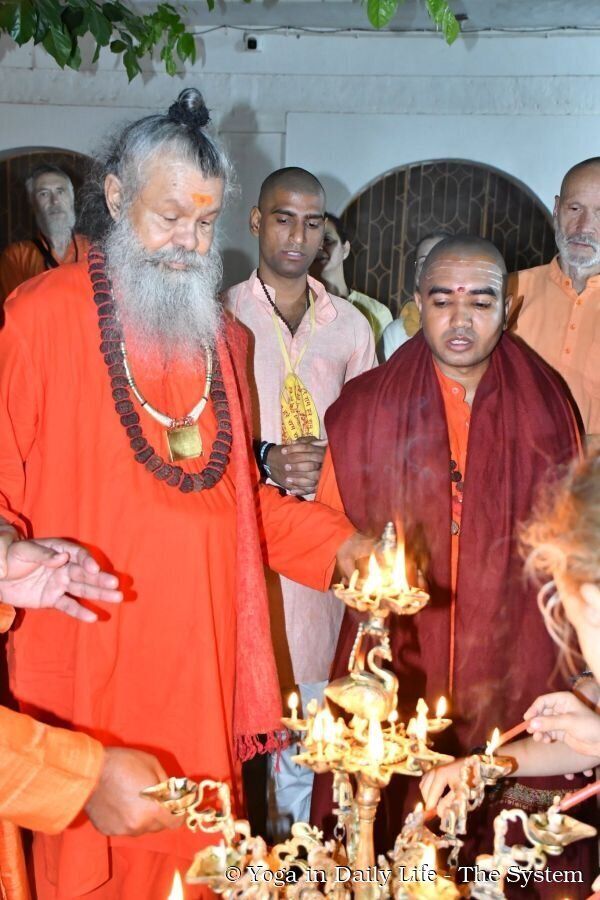
Diwali – The Victory of Light over Darkness
Diwali reminds us that the brightest light is the one we carry within our hearts. Through prayer, selfless service, love and devotion, we can keep this inner flame burning throughout the year. It is a celebration of light, happiness and the victory of good over evil, reminding us that even in the deepest darkness, the light of truth and spirituality can shine.
For millions of people around the world, Diwali is one of the most joyful and meaningful festivals of the year. It celebrates the triumph of righteousness over evil, knowledge over ignorance and light over darkness.
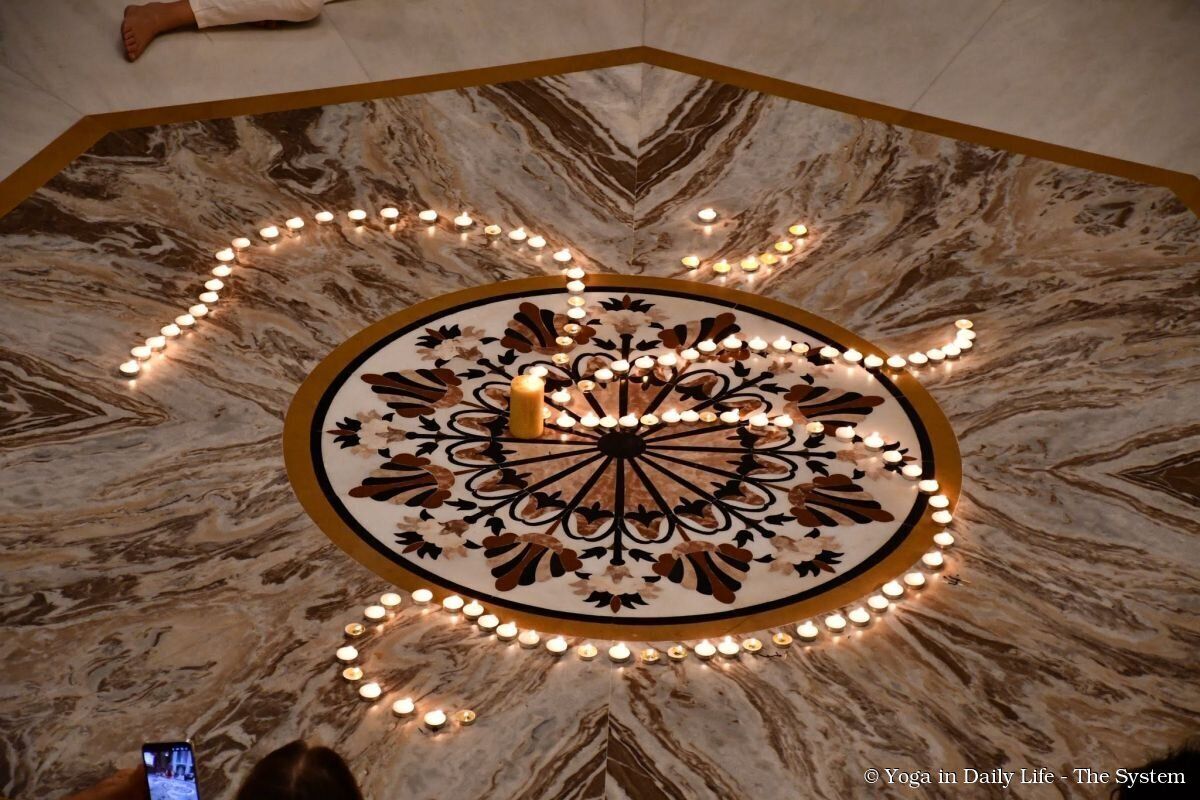
Warmth of the Clay Lamps, Bonfires and Fireworks
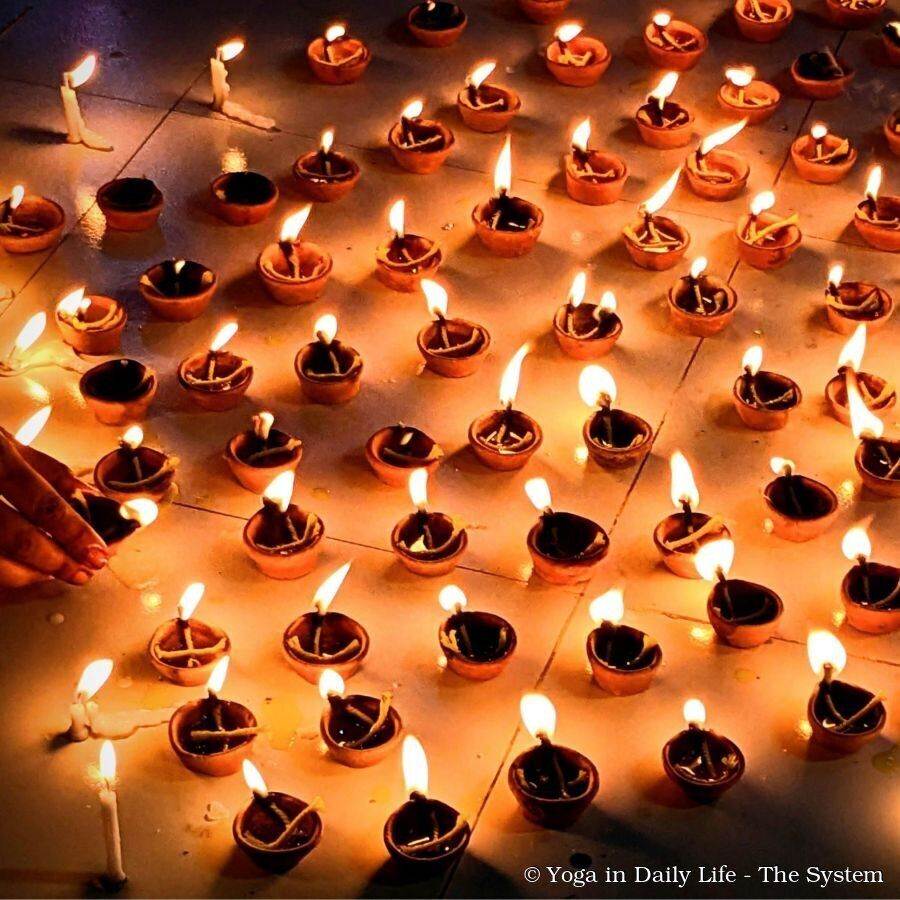
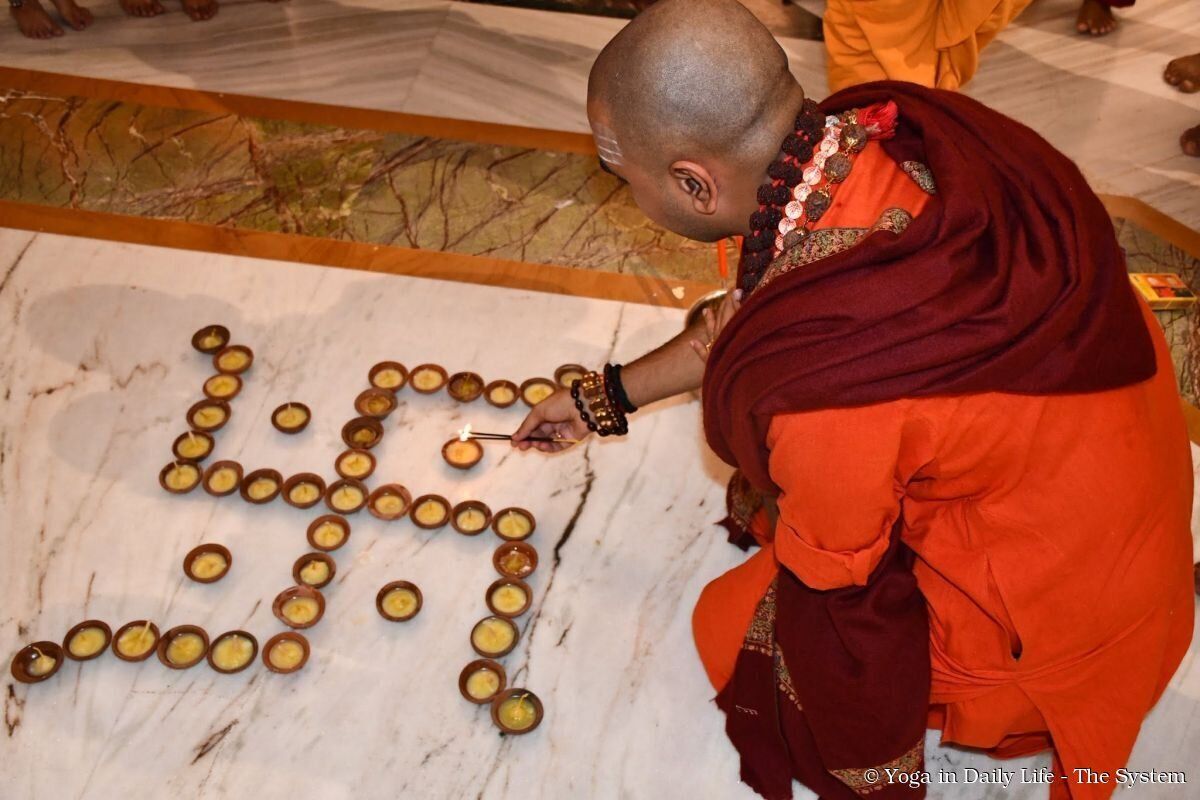
The Diwali observance is a multi-day celebration filled with prayers, Vedic mantras for peace, festive meals and acts of charity. This year, it is celebrated from 6 - 11 November 2026. On the night of Diwali, thousands of traditional clay lamps and bonfires illuminate the darkness, creating an atmosphere of warmth and joy. The celebration invites us into a sacred space of prayer, devotion and ancient rituals.
Diwali is traditionally celebrated over five days, beginning with Dhanteras and concluding with Bhai Dooj. Each day has its own spiritual and cultural significance, connected with different stories and traditions.
- Dhanteras – Goddess Lakshmi and God Dhanvantari, the teacher of Ayurveda, emerged from the cosmic ocean during the churning of the Milky Ocean (samudra manthan). This day is dedicated to health, prosperity and well-being.
- Naraka Chaturdashi (Chhoti Diwali) – Commemorates God Krishna's victory over the demon Narakasura.
- Diwali – The main celebration marks the return of God Rama to Ayodhya and honours Goddess Lakshmi, the goddess of prosperity, together with God Ganesha, the remover of obstacles and god of wisdom.
- Govardhan Puja – Remembers God Krishna lifting Mount Govardhan to protect the people from torrential rains.
- Bhai Dooj – Celebrates the loving bond between brothers and sisters.
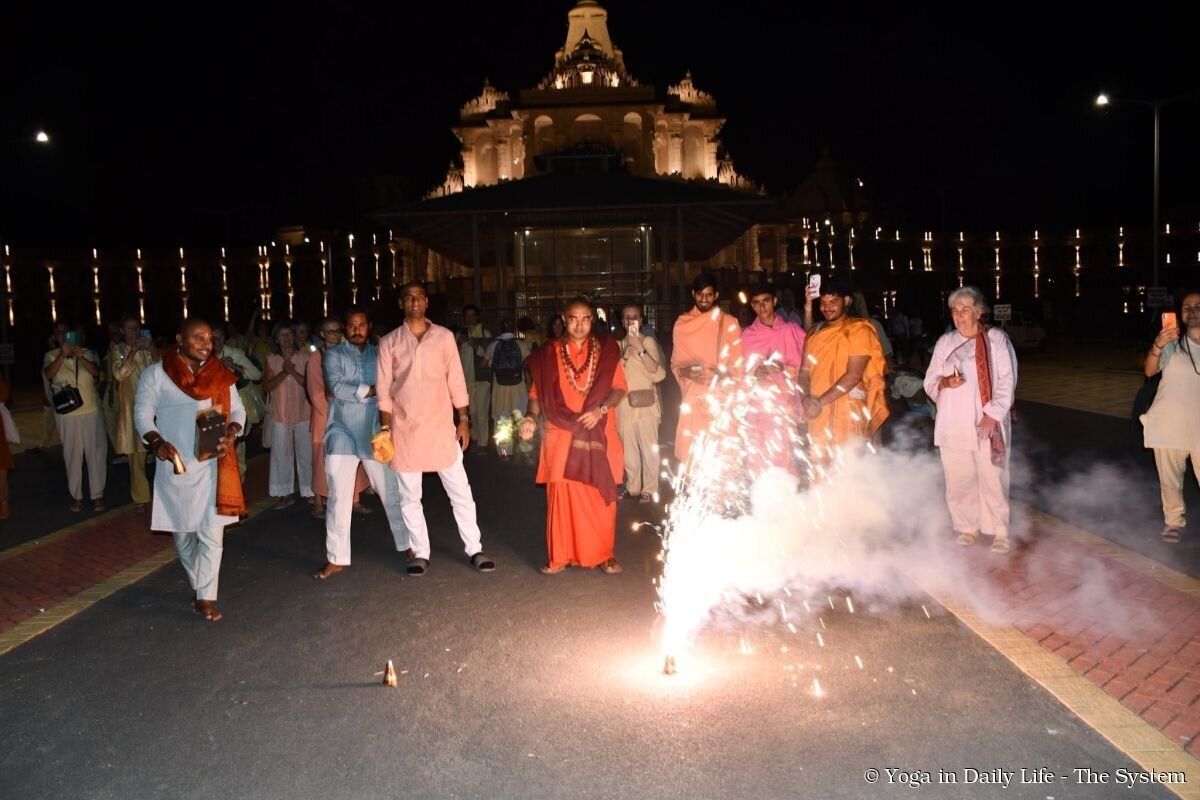
The Return of God Rama to Ayodhya
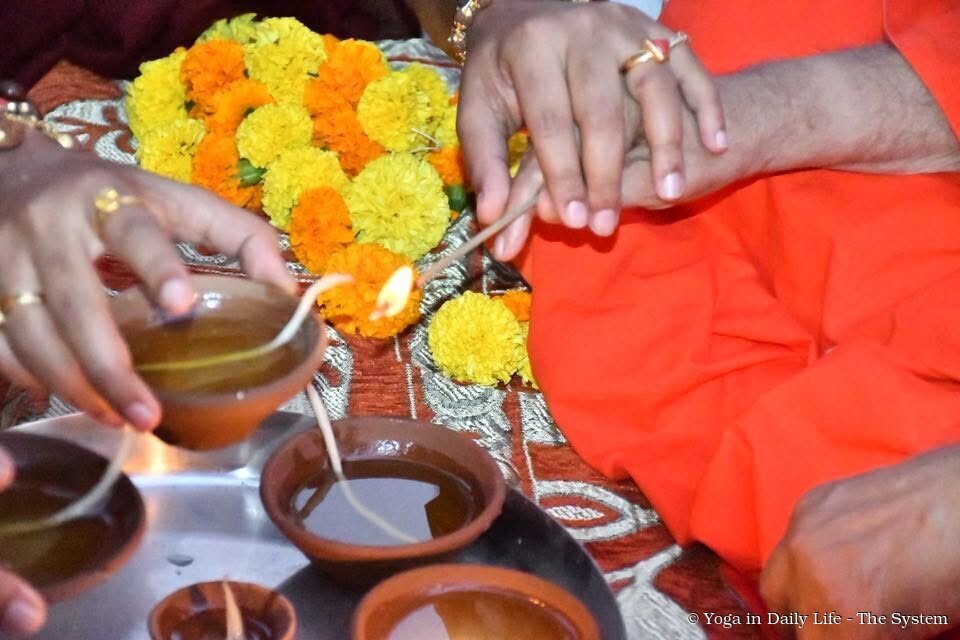
The Sanskrit word Deepavali, from which Diwali derives its name, means “a row of lights”. Lighting clay lamps is one of the festival's most beautiful traditions.
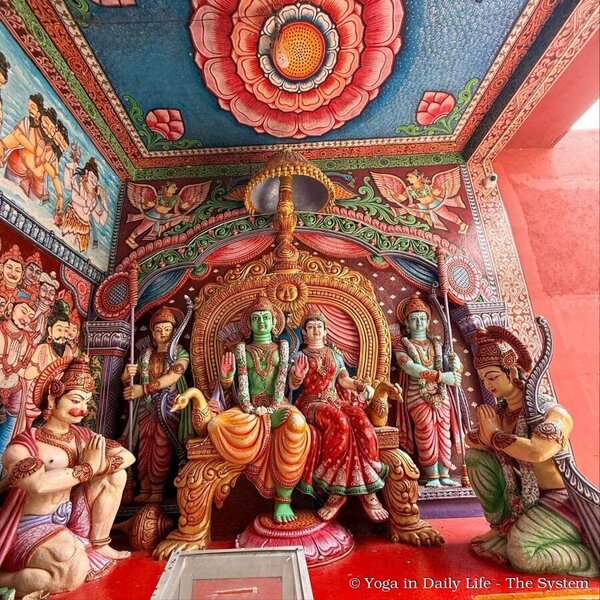
According to the Ramayana, the people of Ayodhya welcomed God Rama, his wife Sita and his brother Lakshmana with rows of glowing lamps after their fourteen years of exile and Rama's victory over the demon king Ravana. The lamps illuminated their path home, symbolising the triumph of righteousness over evil, and the return of divine light.
Vishwaguruji described God Rama as the embodiment of love, justice, mercy and wisdom. He is known as Maryada Purushottam, the ideal person who embodies the highest ethical and moral principles.
Vishwaguruji also explained that God Rama's journey through the forest was an opportunity to bless all living beings, saints and yogis. His return brought immense joy to the people, who welcomed him with lights, food and offerings.
Birth of Bhagwan Sri Dip Narayan Mahaprabhuji
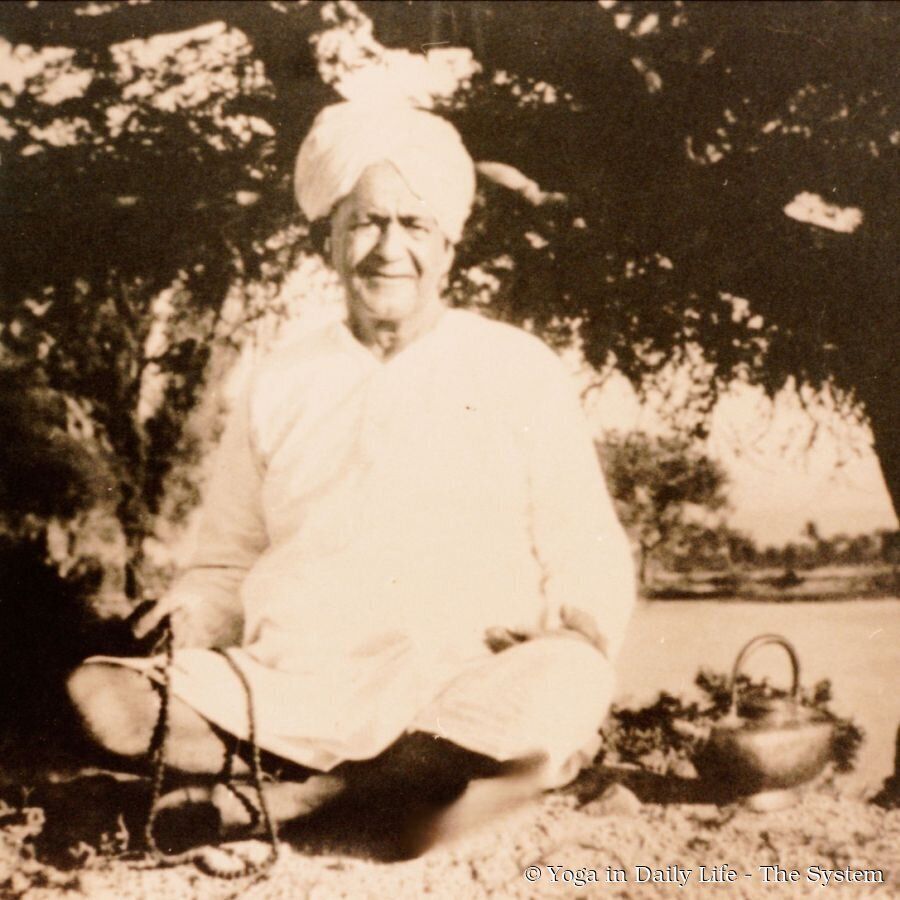
For the Yoga in Daily Life community, Diwali has an additional spiritual significance. It is also the auspicious day commemorating the birth of Bhagwan Sri Dip Narayan Mahaprabhuji, one of the great spiritual Masters of the Om Sri Alakhpuriji Siddha Peeth Parampara and an incarnation of Divine Light.
Mahaprabhuji was born in the small Rajasthani village of Hari Vasani during Brahmamuhurta (pre-dawn) on Diwali. His mother, Chandandeviji, was remembered for her boundless kindness and compassion.
Hindu Dharmsamrat Paramhans Sri Swami Madhavananda (respectfully known as “Holy Guruji”) described the miraculous events surrounding his birth in the book Lila Amrit:
“Sri Mahāprabhuji incarnated in the village of Hari Vasani at the auspicious time of Brahmamuhurta on the day of Diwali. When he arrived on this Earth, all the oil lamps suddenly began burning brightly, as if someone had relit them. Witnessing his arrival, nature showered the earth with flowers and unique rains of saffron (kesar) and milk.”
Mahaprabhuji's life and teachings brought spiritual guidance, hope and liberation to countless people, and his divine light continues to inspire generations of spiritual seekers.
Keeping the Flame of Devotion Alive
Diwali also reminds us of the inner light that Vishwaguruji has kindled in millions of hearts around the world.
Param Pujya Mahamandaleshwar Swami Sri Avatar Puriji, Vishwaguruji's successor, beautifully connected the symbolism of the Diwali lamp with the devotion of a disciple:
“This day commemorates the returning of Bhagavan Sri Ram to Ayodhya. Then the entire city lit deepaks to welcome him. In the same way, our Gurudev lit those deepaks within each of our hearts. The deepak has been lit with our mantra, our seva, our devotion. That devotion is the oil or ghee we put in the lamp. Once lit, that deepak should not go out. It must keep on burning forever.”
Mahamandaleshwar Swami Sri Avatar Puriji also spoke of the divine transformation brought about by Vishwaguruji, whose spiritual light has reached people throughout the world. His mission has always been to guide, unite and bring lost souls back to their divine source.
As we celebrate Diwali, may we carry this light into our hearts and share it with everyone around us. May we overcome differences, let go of past conflicts and create a world filled with love, understanding and compassion.
“Diwali is the day of light, the day of happiness. The darkness is removed. God Rāma has come back, and we greet God in each other. It doesn’t matter who is who, or what has been done to you. Now we will not fight – we will create love in our hearts!” – Vishwaguruji
Diwali kā, Ram, Ram, Sa! – Happy Diwali, God Rama has come!